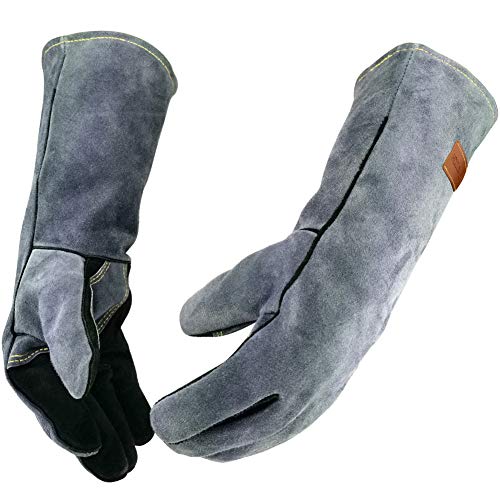
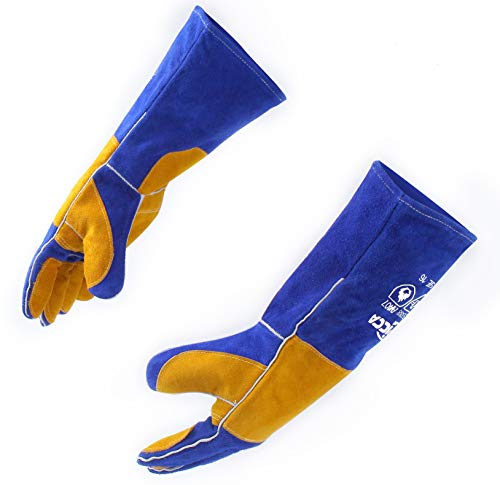
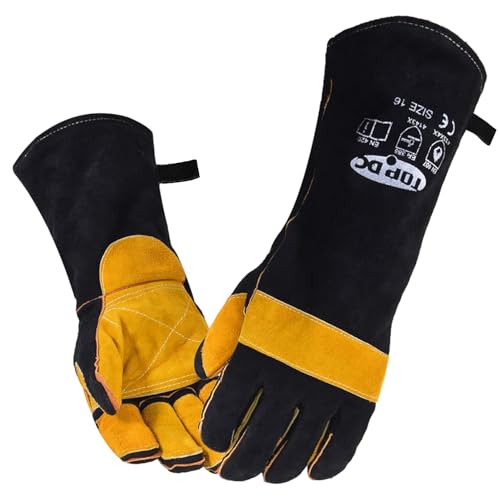
Why Welding Gloves Matter
Welding exposes your hands to temperatures exceeding 1,000°F, intense UV radiation, molten spatter, and sharp metal edges. Your gloves are the single most important piece of PPE between you and a serious burn injury.
The right gloves depend on your welding process. A TIG welder needs thin, flexible leather for rod feeding. A stick welder needs heavy gauntlet-style gloves that can shrug off spatter. Using the wrong gloves for your process means either sacrificing protection or sacrificing the dexterity you need to lay clean beads.
What to Look For
- Leather type — Goatskin for dexterity, cowhide for durability, elkskin for heat resistance
- Lining — Kevlar stitching resists burn-through; cotton or fleece linings add comfort
- Cuff length — Longer gauntlets protect forearms from spatter and UV
- Fit — Too loose and you lose control; too tight and fatigue sets in fast
Check out our complete buyer's guide for a deep dive into leather types, sizing, and heat ratings.